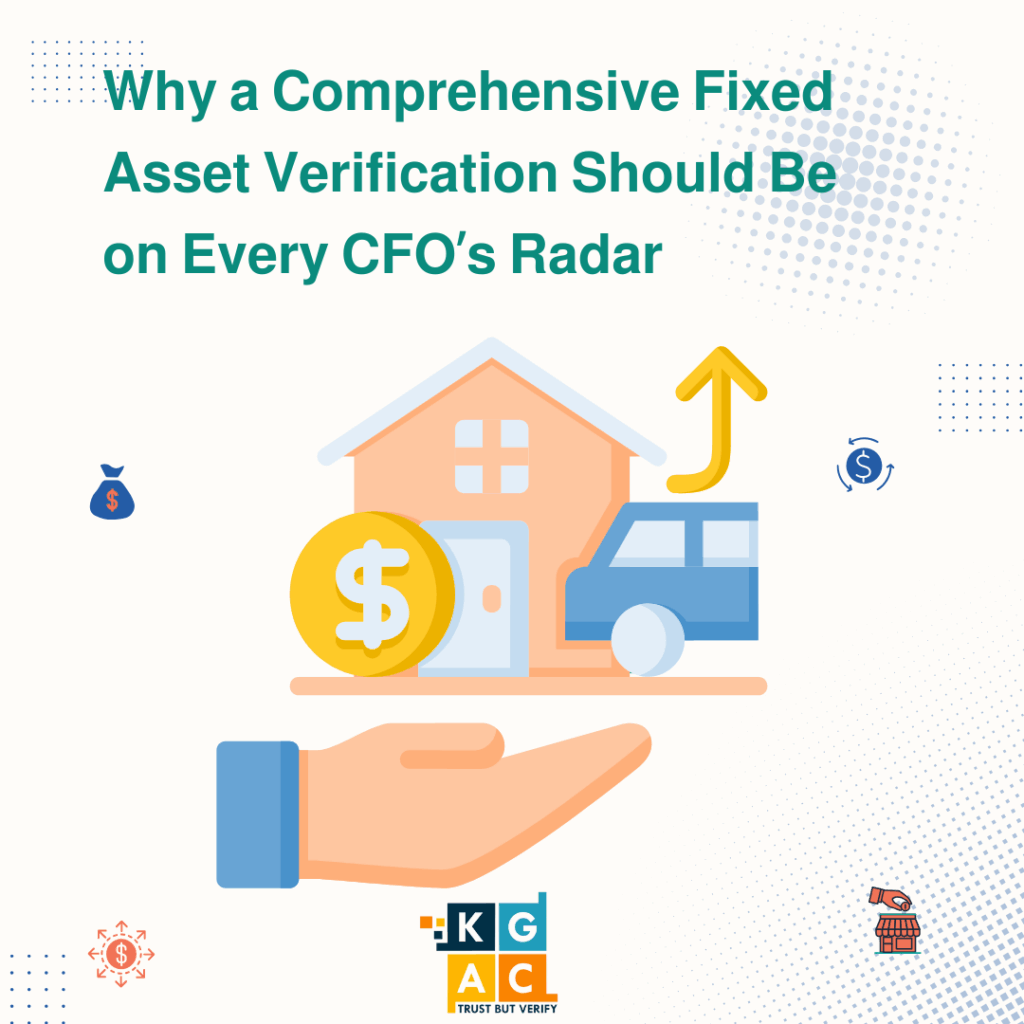
In India, physical asset verification is not just an operational hygiene check—it plays a critical role in ensuring financial accuracy, reducing tax risks, and supporting overall business governance.
Under Indian regulations, 📋companies are required to maintain an accurate fixed asset register. This is essential during statutory audits conducted under the Companies Act and while complying with provisions of the Income Tax Act, which mandates proper depreciation claims on physical assets. However, the scope of fixed asset verification goes far beyond legal compliance.
A thorough verification 🔎exercise helps organizations reconcile what’s physically present on-site with what’s recorded in the books. This process often reveals 𝗴𝗵𝗼𝘀𝘁 𝗮𝘀𝘀𝗲𝘁𝘀 —which are items that are listed in the asset register but no longer exist in reality. These may have been damaged, sold, scrapped, or misplaced over time, but were never properly removed from records. They continue to appear in financial reports, leading to inaccurate depreciation claims, inflated asset values, and potential audit red flags.
In the same process, companies often identify assets that are underutilized or lying idle. For example, a piece of machinery that hasn’t been in use for months may still be marked as active and depreciating. Once identified, such assets can either be redeployed to departments that need them or officially retired—both of which lead to better utilization and cleaner accounting.
𝗩𝗲𝗿𝗶𝗳𝗶𝗰𝗮𝘁𝗶𝗼𝗻 𝗮𝗹𝘀𝗼 𝘀𝘂𝗽𝗽𝗼𝗿𝘁𝘀 𝘀𝗺𝗮𝗿𝘁𝗲𝗿 𝗯𝘂𝗱𝗴𝗲𝘁𝗶𝗻𝗴. In many organizations, teams raise requests for new equipment because they believe an item is missing or unavailable. But the root cause is often poor visibility—records haven’t been updated, or the asset wasn’t tagged during acquisition. As a result, companies end up purchasing duplicate items they already own, leading to unnecessary capital expenditure. Timely verification eliminates such waste by giving decision-makers a clear picture of what is available, where it is located, and who is responsible for it.
In a digital age,💻 where many businesses are shifting to ERP or enterprise asset management platforms, physical verification remains foundational. Without accurate starting data, even the best software will produce flawed reports.
𝗩𝗲𝗿𝗶𝗳𝗶𝗰𝗮𝘁𝗶𝗼𝗻 𝗲𝗻𝘀𝘂𝗿𝗲𝘀 𝘁𝗵𝗮𝘁 𝘁𝗵𝗲 𝗮𝘀𝘀𝗲𝘁 𝗯𝗮𝘀𝗲 𝗳𝗲𝗲𝗱𝗶𝗻𝗴 𝗶𝗻𝘁𝗼 𝘁𝗵𝗲𝘀𝗲 𝘀𝘆𝘀𝘁𝗲𝗺𝘀 𝗶𝘀 𝗰𝘂𝗿𝗿𝗲𝗻𝘁, 𝗰𝗿𝗲𝗱𝗶𝗯𝗹𝗲, 𝗮𝗻𝗱 𝗱𝗲𝗳𝗲𝗻𝘀𝗶𝗯𝗹𝗲 —especially during audits.
Moreover, from a risk control perspective, physical asset verification helps prevent internal misuse, unauthorized disposals, and inventory manipulation. It creates an audit trail that protects the company against both intentional and accidental asset leakage.
In short, while statutory requirements may trigger the process, a well-executed fixed asset verification brings much more to the table. It builds financial discipline, improves operational clarity, and protects the integrity of the balance sheet. 𝗙𝗼𝗿 𝘁𝗼𝗱𝗮𝘆’𝘀 𝗖𝗙𝗢𝘀, 𝗶𝘁’𝘀 𝗻𝗼𝘁 𝗷𝘂𝘀𝘁 𝗮 𝗿𝗲𝗴𝘂𝗹𝗮𝘁𝗼𝗿𝘆 𝗺𝘂𝘀𝘁—𝗶𝘁’𝘀 𝗮 𝘀𝘁𝗿𝗮𝘁𝗲𝗴𝗶𝗰 𝗮𝗱𝘃𝗮𝗻𝘁𝗮𝗴𝗲.