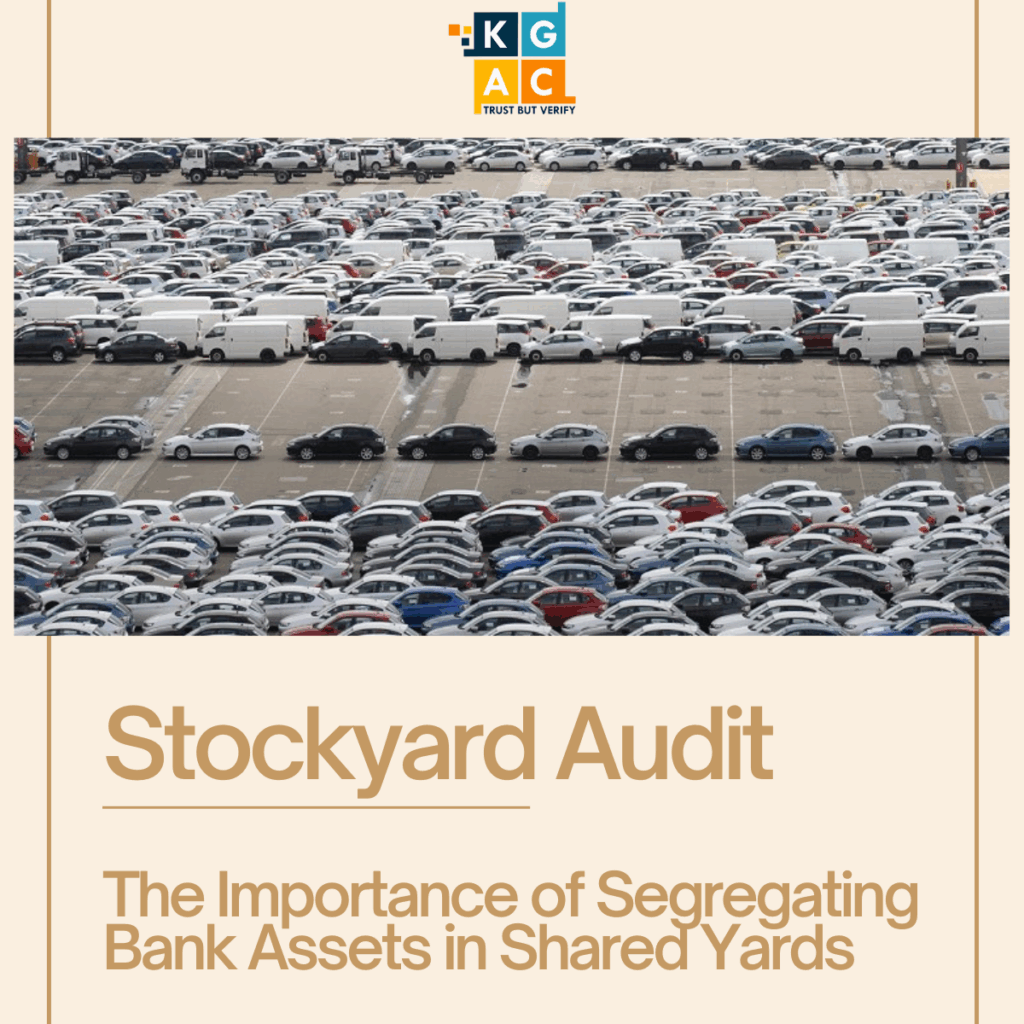
In India, it is common for multiple banks and NBFCs to use the same stockyard. Vehicles from different lenders may sit side by side. Without strict segregation, this arrangement can quickly lead to confusion, disputes, and even legal complications.
𝗔 𝘀𝘁𝗼𝗰𝗸𝘆𝗮𝗿𝗱 𝗮𝘂𝗱𝗶𝘁 therefore checks whether vehicles are clearly demarcated by bank. Each section of the yard must be allocated to a specific lender, with identifiers on vehicles matching the allocation list. 𝗜𝗳 𝗰𝗮𝗿𝘀 𝗮𝗻𝗱 𝘁𝘄𝗼-𝘄𝗵𝗲𝗲𝗹𝗲𝗿𝘀 𝗳𝗿𝗼𝗺 𝗱𝗶𝗳𝗳𝗲𝗿𝗲𝗻𝘁 𝗯𝗮𝗻𝗸𝘀 𝗮𝗿𝗲 𝗽𝗮𝗿𝗸𝗲𝗱 𝘁𝗼𝗴𝗲𝘁𝗵𝗲𝗿 𝘄𝗶𝘁𝗵𝗼𝘂𝘁 𝘀𝗲𝗽𝗮𝗿𝗮𝘁𝗶𝗼𝗻, 𝘁𝗵𝗲𝗿𝗲 𝗶𝘀 𝗮 𝗿𝗲𝗮𝗹 𝗿𝗶𝘀𝗸 𝘁𝗵𝗮𝘁 𝘃𝗲𝗵𝗶𝗰𝗹𝗲𝘀 𝗺𝗮𝘆 𝗯𝗲 𝗺𝗶𝘀𝗽𝗹𝗮𝗰𝗲𝗱 𝗼𝗿 𝘄𝗿𝗼𝗻𝗴𝗹𝘆 𝗿𝗲𝗹𝗲𝗮𝘀𝗲𝗱.
Segregation also prevents operational inefficiencies. For example, when a valuer arrives to inspect vehicles for Bank A, they should not have to walk through rows of vehicles belonging to Bank B. 𝗣𝗿𝗼𝗽𝗲𝗿 𝗱𝗲𝗺𝗮𝗿𝗰𝗮𝘁𝗶𝗼𝗻 𝘀𝗽𝗲𝗲𝗱𝘀 𝘂𝗽 𝗽𝗿𝗼𝗰𝗲𝘀𝘀𝗲𝘀 𝗮𝗻𝗱 𝗿𝗲𝗱𝘂𝗰𝗲𝘀 𝗲𝗿𝗿𝗼𝗿𝘀.
Auditors look for physical signs such as boards, markers, or painted lines separating sections. They also cross-check whether vehicles listed under one bank in registers are actually parked in the designated area. Any deviation is flagged as a compliance risk.
For banks, the importance of segregation cannot be overstated. If a vehicle is damaged or goes missing in a mixed yard, liability becomes contested. With clear segregation, responsibility is easy to assign.
𝗔 𝘀𝘁𝗿𝗼𝗻𝗴 𝘀𝘁𝗼𝗰𝗸𝘆𝗮𝗿𝗱 𝗮𝘂𝗱𝗶𝘁 𝗲𝗻𝘀𝘂𝗿𝗲𝘀 𝘁𝗵𝗮𝘁 𝘀𝗲𝗴𝗿𝗲𝗴𝗮𝘁𝗶𝗼𝗻 𝗽𝗿𝗮𝗰𝘁𝗶𝗰𝗲𝘀 𝗮𝗿𝗲 𝗶𝗻 𝗽𝗹𝗮𝗰𝗲, 𝗱𝗼𝗰𝘂𝗺𝗲𝗻𝘁𝗲𝗱, 𝗮𝗻𝗱 𝗮𝗱𝗵𝗲𝗿𝗲𝗱 𝘁𝗼 𝗰𝗼𝗻𝘀𝗶𝘀𝘁𝗲𝗻𝘁𝗹𝘆, 𝗴𝗶𝘃𝗶𝗻𝗴 𝗯𝗮𝗻𝗸𝘀 𝗰𝗼𝗻𝗳𝗶𝗱𝗲𝗻𝗰𝗲 𝘁𝗵𝗮𝘁 𝘁𝗵𝗲𝗶𝗿 𝗿𝗲𝗽𝗼𝘀𝘀𝗲𝘀𝘀𝗲𝗱 𝗮𝘀𝘀𝗲𝘁𝘀 𝗮𝗿𝗲 𝗻𝗼𝘁 𝗹𝗼𝘀𝘁 𝗶𝗻 𝗮 𝘀𝗵𝗮𝗿𝗲𝗱 𝘀𝗽𝗮𝗰𝗲.